
7 Questions to Ask Before Hiring a Contractor in New Jersey
- Toth and Rieu
- 3 days ago
- 8 min read
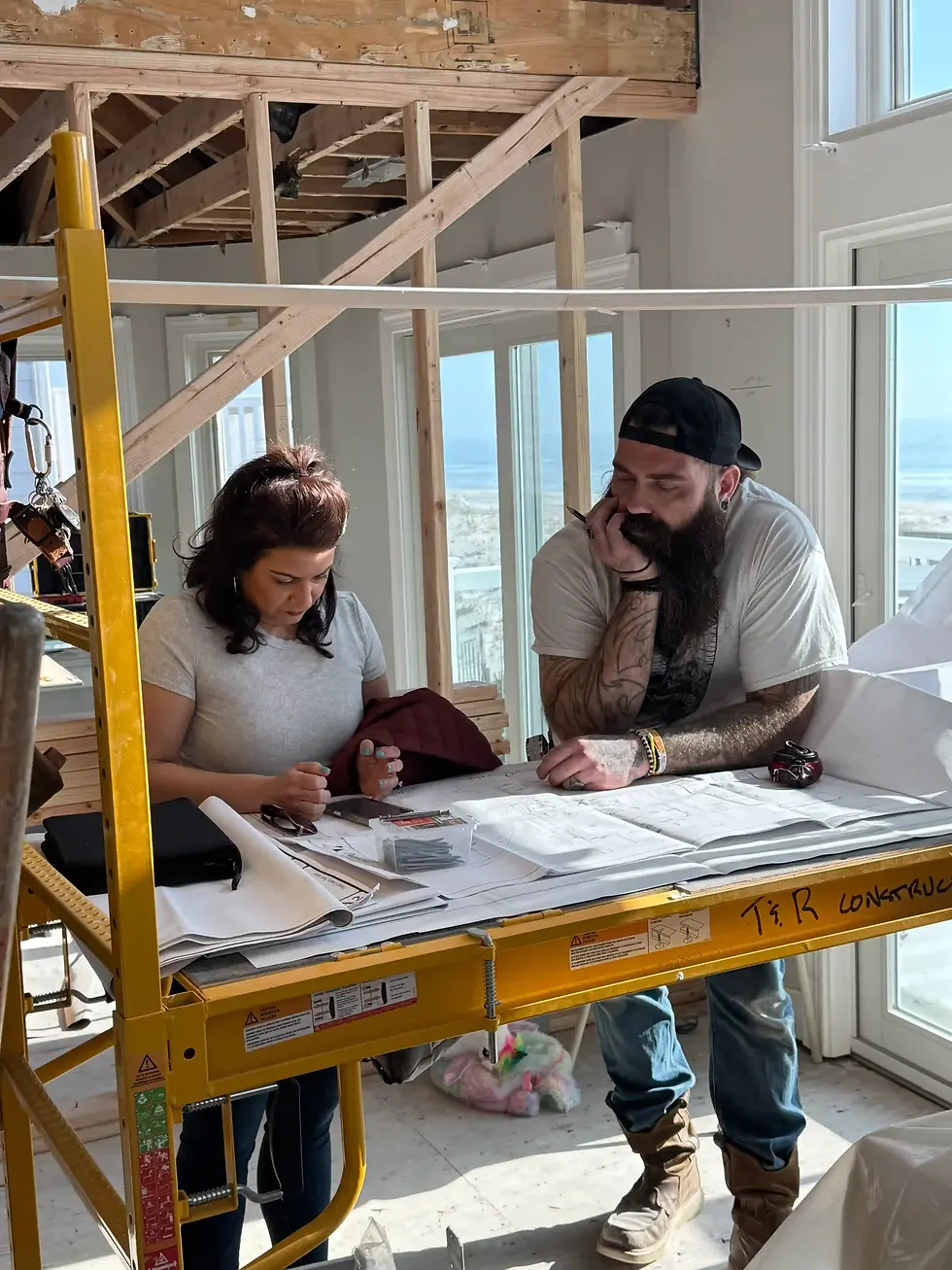
A handshake and a promise aren’t enough when you’re about to hire someone to work on your home. Choosing the right contractor can make all the difference in how the job turns out, how safe your home is, and how much you end up spending.
It's best to know the 7 Questions to Ask Before Hiring a Contractor to make your final decision. Rather than getting caught up in all the little things, ask them the right questions. This will give you an idea about how a contractor operates and how they communicate, as well as their approach to the project.
Here are seven questions to help you determine whether a contractor is the right fit for your remodel. Let’s walk through them together.
1. Are you licensed and experienced with projects like mine?
First, ask if the contractor is licensed in NJ, and if they have experience with projects similar to yours. Obtaining a license isn't about acquiring a piece of paper; it's a testament to their understanding of the local regulations and what is expected in terms of appropriate development within the community.
This is significant in New Jersey: each town has different permit regulations and almost all significant work requires a permit. Sometimes, a person may not have a licence, but will be cheaper, but if they do not adhere to the rules then you may find yourself with uninspected work or work that has to be rectified later.
Experience counts. When considering renovation of your kitchen or bathroom, you can ask them to tell you if they have carried out similar projects in homes similar to yours, and in your neighbourhood. Kitchens and baths are important expenses and make a great impression on potential investors.
They will be familiar with the problems that tend to arise in kitchen and bathroom installations, particularly in areas such as Toms River or Brick, where they have been in operation. You can also check whether they are able to provide you the same look and functionality of your project from their previous projects.
2. What scope of work do you handle, and who coordinates subcontractors?
Remodelling is an activity that does not just involve swinging a hammer. A contractor that does this will guide you through the design, permits, and final touches so that you don't have to coordinate a bunch of different trades.
When it comes to site inspections, planning, permits, foundation work, framing, electrical, plumbing, roofing, and finishing, there are some of the best contractors in New Jersey that are able to do this. They ensure that all elements are joined to your current home perfectly.
When you ask, "Who's in charge of that?," and you are given a definite answer, it's a good sign.
Having additional electricians, plumbers or drywall specialists come on site and involved your contractor is best handled early. When several crews are operating at the same time, it can be difficult to keep track of everyone and to avoid errors.
If there are large changes like adding a second story or expanding your kitchen, you don't want everything spread out between a lot of people. This helps ensure that everything blends nicely together with your home’s foundation, siding, and roof. Otherwise, you may find something leaking, or your work is not going to look great.
3. How do you handle permits and local code compliance?
Permits and building codes are a big deal in any construction project. In New Jersey, each town has its own rules, so what’s needed in Toms River might be different from Stafford or Lacey. Even small jobs that involve changing plumbing or wiring can require permits. Ask your contractor how they determine which permits are needed and who handles obtaining them.
If a contractor tells you no permits are needed, that’s a red flag. Any real pro will tell you that most changes to the structure, electrical, plumbing, or HVAC systems require a permit. They should also know how to handle inspections, what needs to be approved, and what to do if something doesn’t pass. Skipping permits can lead to fines and safety issues down the road.
4. What's the Estimated Cost and How Do You Manage the Budget?
There should be more to a budget discussion than just one number.
Discuss with them how they make their guess, and what might cause the cost to differ.
Sometimes, even when the house is remodelling there are various problems that are evident such as old wiring, water damage, plumbing problems, or structural problems that need additional work.
Homeowners often find themselves overspending as a result of unforeseen expenses, improvements or alterations throughout the process. It's a good idea to plan an additional 10% to 20% of your budget for any unforeseen expenses.
Request a detailed breakdown that includes:
Demolition
Materials
Labor
Permit Fees
Site Preparation
Waste Removal
Project Management
Final Finishes
A clear, detailed estimate makes it easier to compare contractors and see exactly where your money is going.
5. What Hidden Challenges Do You Anticipate in My Project?
Every home is different, and every remodelling project presents unique challenges.
Ask your contractor what problems they might expect based on your home’s age, condition, and layout. Experienced contractors can often spot trouble before the work even starts.
Common issues include:
Plumbing leaks
Water damage
Structural deficiencies
Foundation movement
Improper previous renovations
Knowing about these issues ahead of time helps you plan your budget and avoid nasty surprises once work begins.
What We Commonly See During Remodelling Projects in New Jersey
At Toth and Rieu Construction, we often meet homeowners who start remodelling without knowing all the permit requirements or setting aside extra money for unexpected costs. We regularly find issues such as old wiring, hidden water damage, weak structural support, or past renovations that don’t meet today’s codes.
Many of these problems don’t surface until demolition begins, which can throw off your schedule and budget. Catching them early helps you make better decisions, plan for extra costs, and avoid delays.
In older New Jersey homes, it’s common to find framing that doesn’t meet today’s codes, moisture damage, small electrical panels, and outdated plumbing. A good contractor can spot these problems and fix them before they turn into bigger headaches.
Remodelling Challenges We Often Encounter in Ocean County Homes
Homes in Ocean County can have their own set of issues. In coastal spots like Manahawkin, Long Beach Island, and Beach Haven, moisture and salt in the air can affect framing and exterior finishes.
Older homes in Toms River, Brick, and Stafford might have old wiring, outdated plumbing, or changes made years ago that don’t meet current standards. Contractors who know the area can plan better and help you avoid surprises during your remodel.
6. Can You Provide References or Examples of Completed Projects?
A contractor’s reputation is important.
Online reviews can help, but talking to past clients gives you a better idea of what to expect. Ask for references from similar jobs
When speaking with former clients, ask questions such as:
Was the project completed on schedule?
Was communication consistent?
Did the contractor stay within budget?
How were unexpected issues handled?
Would they hire the contractor again?
Ask to see before-and-after photos or examples of finished work. Contractors who are proud of their work are usually glad to show it off.
7. How Will You Handle Project Communication and Timeline?
Even a well-run project can get stressful if communication isn’t clear.
Ask how updates will be provided throughout the project. Some contractors schedule regular meetings, while others use project management software that allows homeowners. Ask how you’ll get updates during the job. Some contractors set up regular meetings, while others use apps or software so you can check progress, photos, schedules, and bills.
These considerations include:
Weather conditions
Permit approvals
Material availability
Inspection scheduling
Labor shortages
A good contractor will let you know about possible delays and set realistic expectations from the start.
Why Asking the Right Questions Can Save You Time, Money, and CostlyRemodellingg Mistakes
These seven questions are more than fill-in-the-blank. They provide you with an understanding of how a contractor operates, whether or not they are aware of the local rules, and how they are able to tackle unexpected problems.
Ask about licenses and you'll learn if they are up to the standard. The work scope question and the role of who's doing what give you an idea of whether the project will remain on track.
Inquiries regarding permits reveals whether they care for safety and abide by rules.
Budget questions help you understand whether they're truthful about the expenses. Seeking to uncover any issues gives you a more accurate picture of what problems might arise. Reviewing references reveals that how they have performed their tasks with other homeowners. It's when you're discussing communication and timelines that you'll know what to expect when the work is progressing.
Home improvements can be an expensive venture. From extended roofs to bathroom renovations to a complete home makeover, the contractor is important to consider. Spend the time to get it right, and to ask the right questions to make your life with your home easier.
These seven questions may enable you to locate a contractor who knows how to build the project, plan, and keep you informed. This is how to build a remodel to success.
Key Takeaways: 7 Questions to Ask Before Hiring a Contractor
Check Licensing and Relevant Experience.
Make sure your contractor is licensed and has experience with projects like yours. Someone with the right license will know the local building codes, how permits work, and the common problems that can arise during reremodelling
Know the entire scope of the work and project management.
Ask who will be in charge of subcontractors, permits, scheduling, and the actual construction. Having one main contact helps avoid confusion, delays, and costly mistakes as the project progresses.
Make Sure Permits and Code Compliance Are Handled ProperlyLet the professionals handle permits and inspections so your remodel complies with local building and safety codes. Skipping permits or failing inspections can lead to fines and bigger problems down the road.
Call for transparency on government spending and for contingencies.Ask for a detailed quote that breaks down labor, materials, permits, and project management costs. It’s also smart to set aside an extra 10% to 20% for surprises like old wiring or plumbing problems.
Assess Reputation, Communication, and Problem-Solving AbilityCheck their references and look at their past work. Good communication, realistic timelines, and a contractor who can spot and fix problems early make for a smoother remodeling experience.
Frequently Asked Questions
How to check if a contractor is licensed?
Request their state contractor's license number and check it with the state licensing agency.
Should a contractor obtain permits for my project?
Yes. Permits are usually required for most structural, electrical, plumbing, and HVAC projects.
What is the suggested number of estimates that I should get before hiring a contractor?
The typical homeowner realizes the value of getting at least three comprehensive offers.
What's a sensible budget for remodeling?
Most contractors suggest setting aside 10% to 20% of the job cost for unexpected expenses.
What is the average time frame of a remodelling project?
The time frame for a project depends on the project's scope, permit approvals, and the availability of materials.
Reviewed by the Remodeling Professionals at Toth and Rieu Construction
The team at Toth and Rieu Construction reviewed this article to ensure it’s helpful and accurate. We’ve spent years working with New Jersey homeowners on everything from kitchen and bath remodels to home additions and bigger construction projects.
Along the way, we’ve helped folks sort out permits, plan their renovations, and tackle all kinds of remodeling questions. Our goal is to share real-world advice so you can feel confident about your next home project.


Comments