
What Is Commercial Construction
- Toth and Rieu
- May 21
- 4 min read

What Is Commercial Construction? Commercial construction involves the creation, remodeling, or expansion of commercial buildings. It applies to office buildings, retail stores, warehouses, medical facilities, restaurants, schools, and industrial buildings. It is not residential construction or single-family housing. It includes everything built to support business operations, services, or commerce.
Simply put, commercial construction refers to the work that's done when a business requires a building constructed from scratch or substantially altered to meet their requirements.
This differs from small home remodeling in scale, the rules are tougher and the coordination of teams is more complex.
What Commercial Construction Actually Includes
A wide variety of construction work is done for the commercial sector depending on the project in hand. It can be broken down into a few main categories:
1. New Commercial Buildings
This is a "build up" construction. Clearing site, pouring foundation and construction of the building according to architectural and engineering plans.
Examples:
Office buildings
Retail centers
Warehouses
Medical clinics
Restaurants
2. Tenant Fit-Outs (Interior Buildouts)
This happens when a space already exists, but it needs to be customized for a new business tenant.
Examples:
Converting a blank retail space into a café
Building office partitions and meeting rooms
Installing commercial kitchens
Adding flooring, lighting, and HVAC modifications
3. Renovations and Expansions
Old commercial buildings may require modifications and additions to facilitate expansion or to comply with code.
Examples:
Expanding office square footage
Upgrading electrical systems
Improving accessibility (ADA compliance)
Structural upgrades or repairs
4. Specialty Commercial Projects
Some commercial construction projects are highly specialized depending on industry needs.
Examples:
Medical and dental facilities
Industrial manufacturing spaces
Educational facilities
Hospitality spaces like hotels or restaurants
How Commercial Construction Works Step by Step
Construction is not a single activity, it is a business. It's a systematic process that includes several stages and requires effective coordination.
1. Planning and Design
This is where everything starts. Business owners work with architects and engineers to define:
Building layout
Functionality requirements
Budget expectations
Timeline goals
At this stage, mistakes are expensive later, so planning is detailed.
2. Permits and Approvals
Before construction begins, permits must be approved by local authorities.
This includes:
Zoning compliance
Building permits
Safety and fire code approvals
Environmental considerations (if required)
This step can take time depending on the municipality.
3. Site Preparation
Once approved, the site is prepared for construction:
Clearing land or demolition
Grading and leveling
Utility setup (water, sewer, electric)
4. Structural Construction
This is the main building phase:
Foundation work
Framing
Roofing
Exterior walls
At this point, the structure becomes physically visible.
5. Mechanical, Electrical, and Plumbing (MEP)
Inside the structure, core systems are installed:
Electrical wiring
Plumbing systems
HVAC (heating, ventilation, air conditioning)
These systems are essential for building functionality and code compliance.
6. Interior Finishing
This includes:
Drywall and painting
Flooring installation
Lighting fixtures
Interior doors and partitions
This is where the building becomes usable for business operations.
7. Final Inspection and Handover
Before occupancy, inspections ensure:
Safety compliance
Code adherence
System functionality
Once approved, the building is officially ready for use.
Read About Trusted Commercial Construction Companies
Why Commercial Construction Is Different From Residential Work
Commercial construction is more complex for a few key reasons:
1. Regulations are stricter
Commercial buildings must follow building codes that are often more detailed than residential rules.
2. Larger teams are involved
Projects usually require:
Architects
Engineers
Project managers
Specialized subcontractors
3. Higher stakes for delays
A delay in commercial construction can affect business operations, revenue, and contracts.
4. Technical systems are more advanced
Commercial buildings require heavier infrastructure:
Industrial-grade HVAC systems
Fire suppression systems
Advanced electrical loads
Data and networking systems
Cost Factors in Commercial Construction
Costs vary widely depending on size and complexity, but several factors consistently influence pricing:
Building size (square footage)
Material selection
Labor costs in the region
Design complexity
Permit and inspection requirements
Timeline urgency
Even two similar-looking buildings can have very different costs depending on internal systems and design requirements.
Timeline Expectations
Commercial construction timelines depend heavily on project scope.
General estimates:
Small tenant buildouts: a few weeks to a few months
Medium commercial renovations: 2–6 months
Large ground-up buildings: 6–18+ months
Delays can happen due to permits, weather, material shortages, or design changes during construction.
The Role of a Commercial Construction Company
The entire process, from the planning stage to completion, is managed by a commercial construction company. This involves overseeing subcontractors, applying for permits, managing deadlines, and ensuring it aligns with building codes and client needs.
A good contractor won't only construct. They also handle communication, avoid making costly errors, and ensure a project stays on track.
Example of a Real-World Contractor Approach
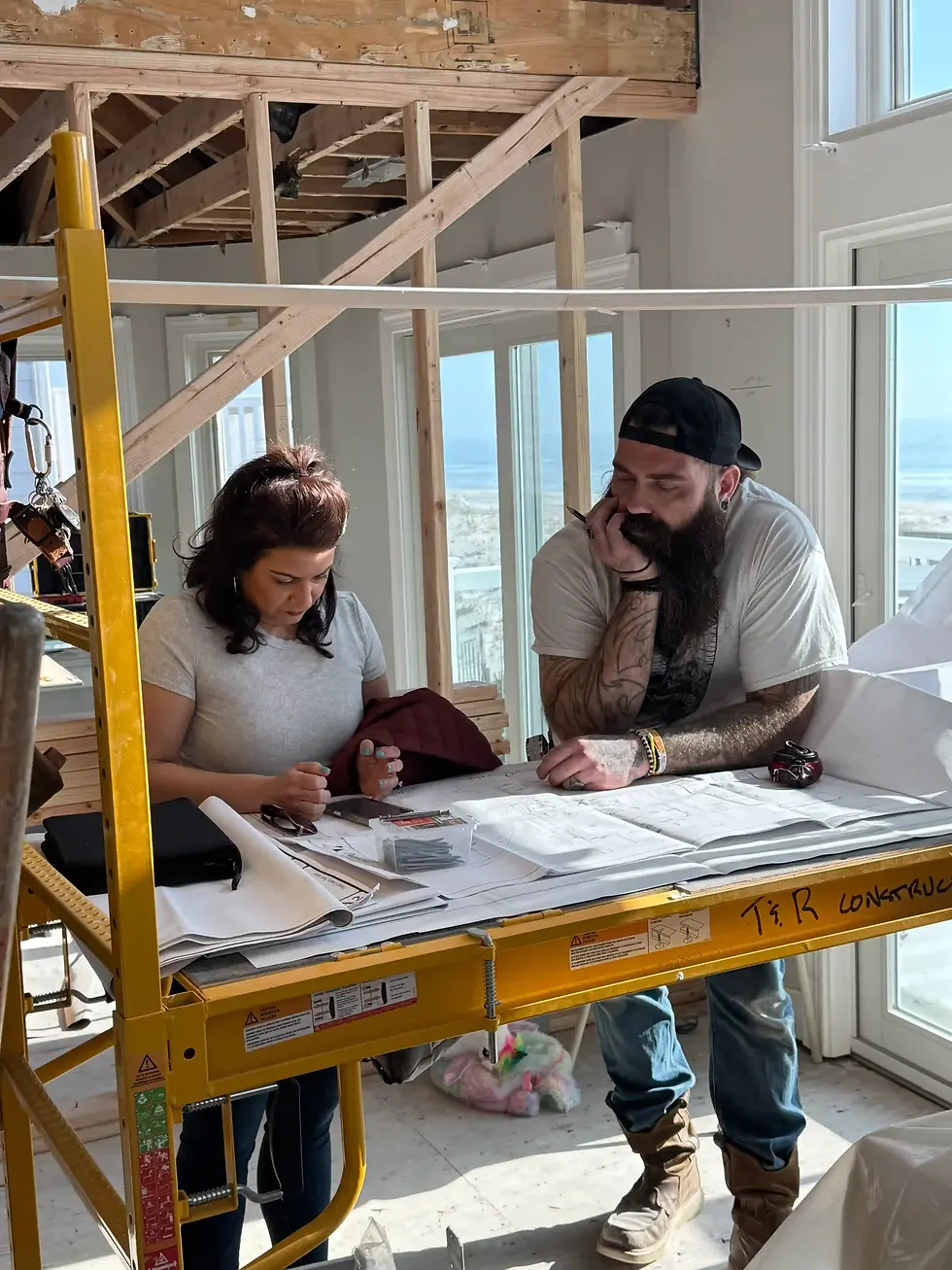
Companies such as Toth and Rieu Construction Enterprises work in this field, taking care of residential and commercial projects as well as the markets in New Jersey. In business projects, it usually involves structural changes and remodeling jobs with a number of businesses that need to be coordinated.
A contractor like this usually becomes the central point of control for:
Scheduling subcontractors
Coordinating inspections
Managing material delivery
Ensuring compliance with local building codes
This is what separates general construction work from structured commercial project delivery.
Common Challenges in Commercial Construction
Even well-managed projects can face issues such as:
Permit delays
Local approval processes can slow down start dates.
Budget adjustments
Material prices and labor costs can change during long projects.
Design changes
Business owners sometimes modify layouts mid-project, which affects timelines.
Coordination issues
Multiple subcontractors working at the same time require strong scheduling management.
Why Commercial Construction Matters
Commercial construction directly supports how businesses operate. Without it, there would be no offices, stores, warehouses, or service buildings.
It also impacts:
Local economic development
Job creation
Infrastructure growth
Business expansion opportunities
Every commercial building is tied to some form of economic activity, whether small retail or large industrial operations.
Build Your Business with Confidence
Commercial construction is the organized construction and modification of spaces that are used to conduct business. This includes permit and planning, construction and installation of systems, and final inspection. It's more complicated than residential work due to regulations, scale and coordination demands.
From initial concept to final completion, a commercial construction company is at the heart of these enterprises, guaranteeing that the finished product is operational, compliant, and prepared for business operations.
The work that Toth and Rieu Construction Enterprises can provide is essentially for companies that can look forward to coping with real challenges in construction but do not want to do so in an unprofessional, disorganized manner in order to focus on company operations and oversee the project being professionally managed.


Comments